
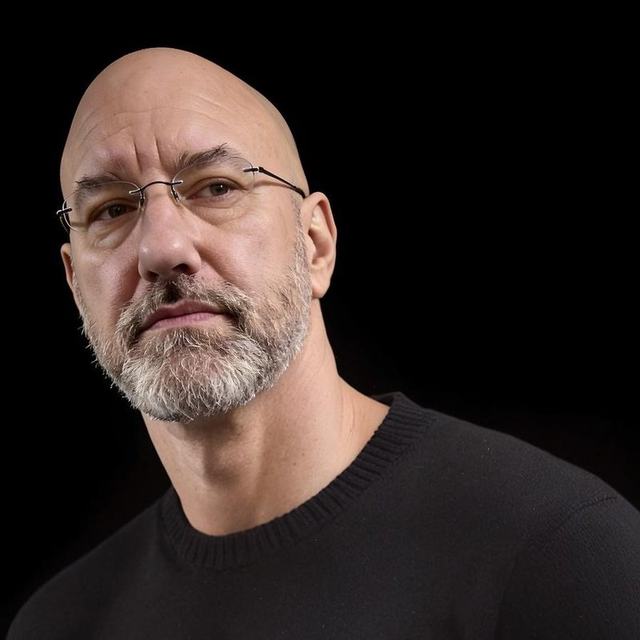
Forty years ago, if you’d told the nineteen-year-old version of me where this road would lead, I doubt I’d have believed you.
On July 16, 1986, I stepped off a Piedmont Airlines flight from North Carolina with a duffel bag, a saxophone, about three hundred dollars and an acceptance letter to The New School. I thought I had a pretty good idea of what my life was going to look like.
I was wrong. Thankfully.
I came here to become a jazz musician. What I became was a working musician, and I’ve come to believe there’s an important difference. Jazz gave me my foundation. New York taught me that music isn’t divided into neat little categories. It doesn’t care whether you call yourself a saxophonist, an arranger, a producer, an engineer or an educator. It simply asks one question:
Can you make the music better?
Everything I’ve done since has been my attempt to answer yes to that question.
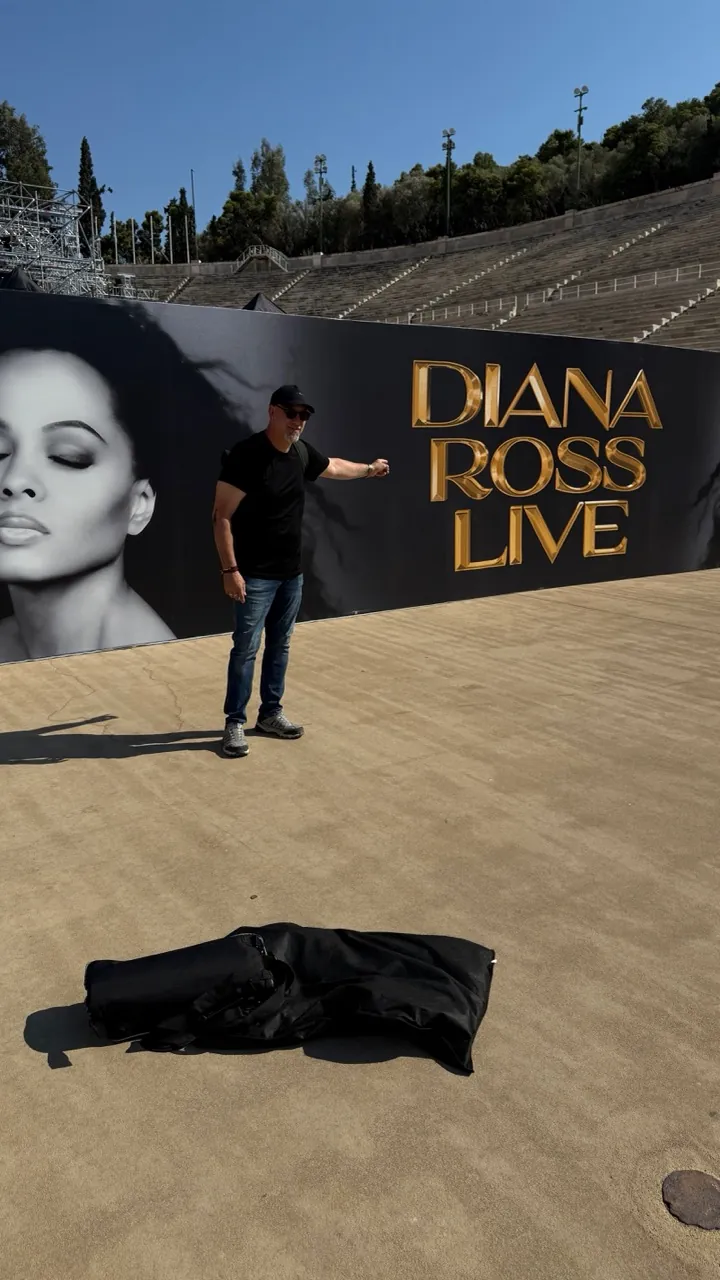
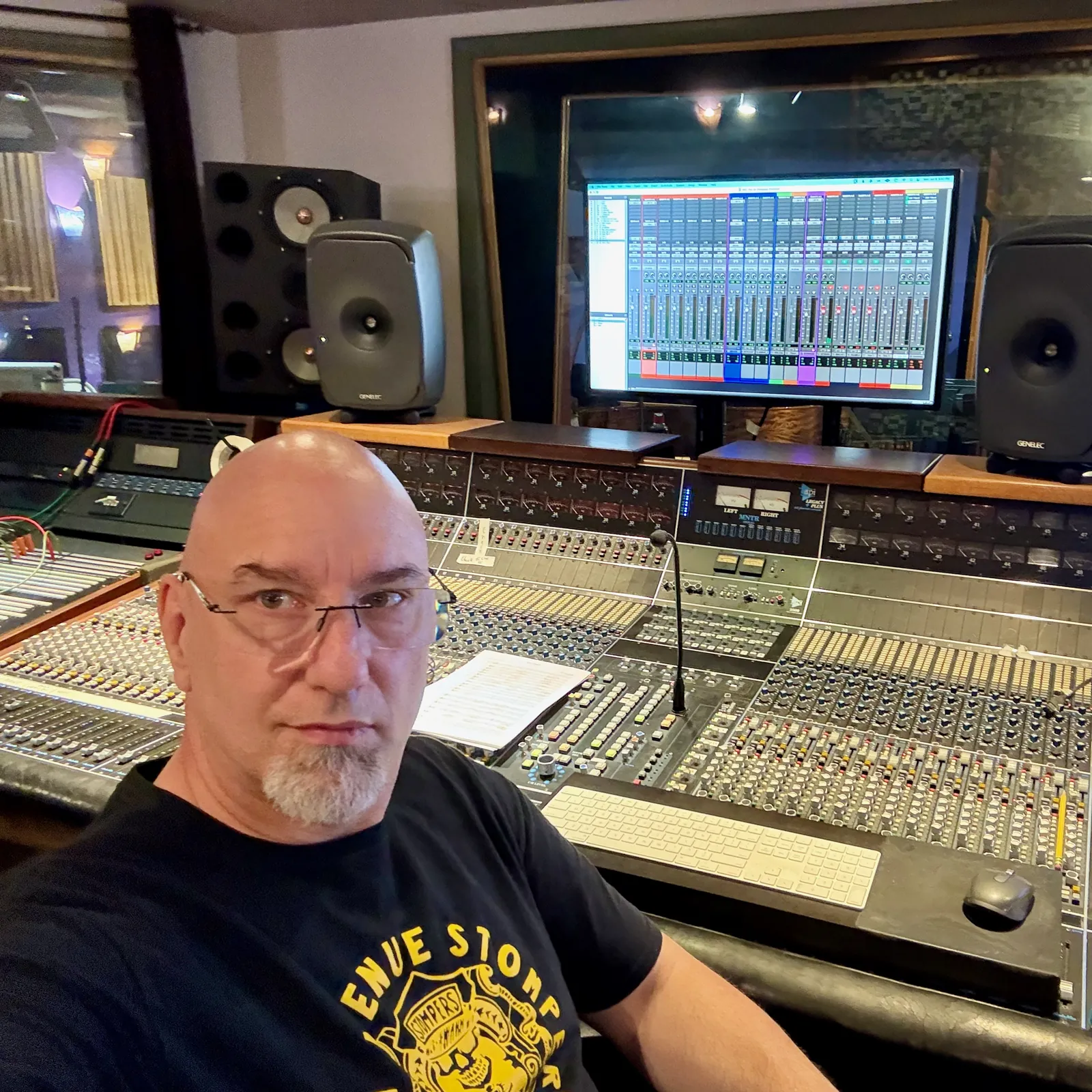
Along the way I’ve played with Diana Ross, Southside Johnny & The Asbury Jukes, The Allman Brothers Band, Little Feat and They Might Be Giants, among others. I’ve played Broadway, toured internationally, recorded more sessions than I can count, produced and engineered albums, taught at the college level, and founded, built and ran NYH Studios, the home base of New York Horns. I co-founded New York Horns in 1997 with trumpeter Chris Anderson to record custom horn sections for artists around the world, long before remote collaboration was fashionable, or necessary.
The newest chapter is the one I saw coming least, which at this point is a pattern. As Director of Music at MITA-tainment, I score animation and film, which means I spend my days asking what a scene needs to feel, and more often than not, what it needs me to leave out.
From the outside these look like different careers. To me they’ve always been the same one, just different ways of solving musical problems.
People sometimes ask whether I’m worried that AI will replace musicians. I usually answer with a question. Has a great microphone ever made someone a great singer? Has a vintage Mark VI ever made someone a great saxophone player?
Tools matter.
Judgment matters more.
Judgment is knowing what not to play, what not to write, and when technology helps and when it gets in the way. It’s knowing when your ego is talking instead of your ears. It’s also what clients, bandleaders and producers remember long after they’ve forgotten what saxophone you played.
If there’s one thing forty years in New York has taught me, it’s that careers aren’t built on highlights. They’re built on Tuesdays. On showing up prepared when nobody’s watching. On making someone else’s music sound better. On earning enough trust that your phone rings again next week.
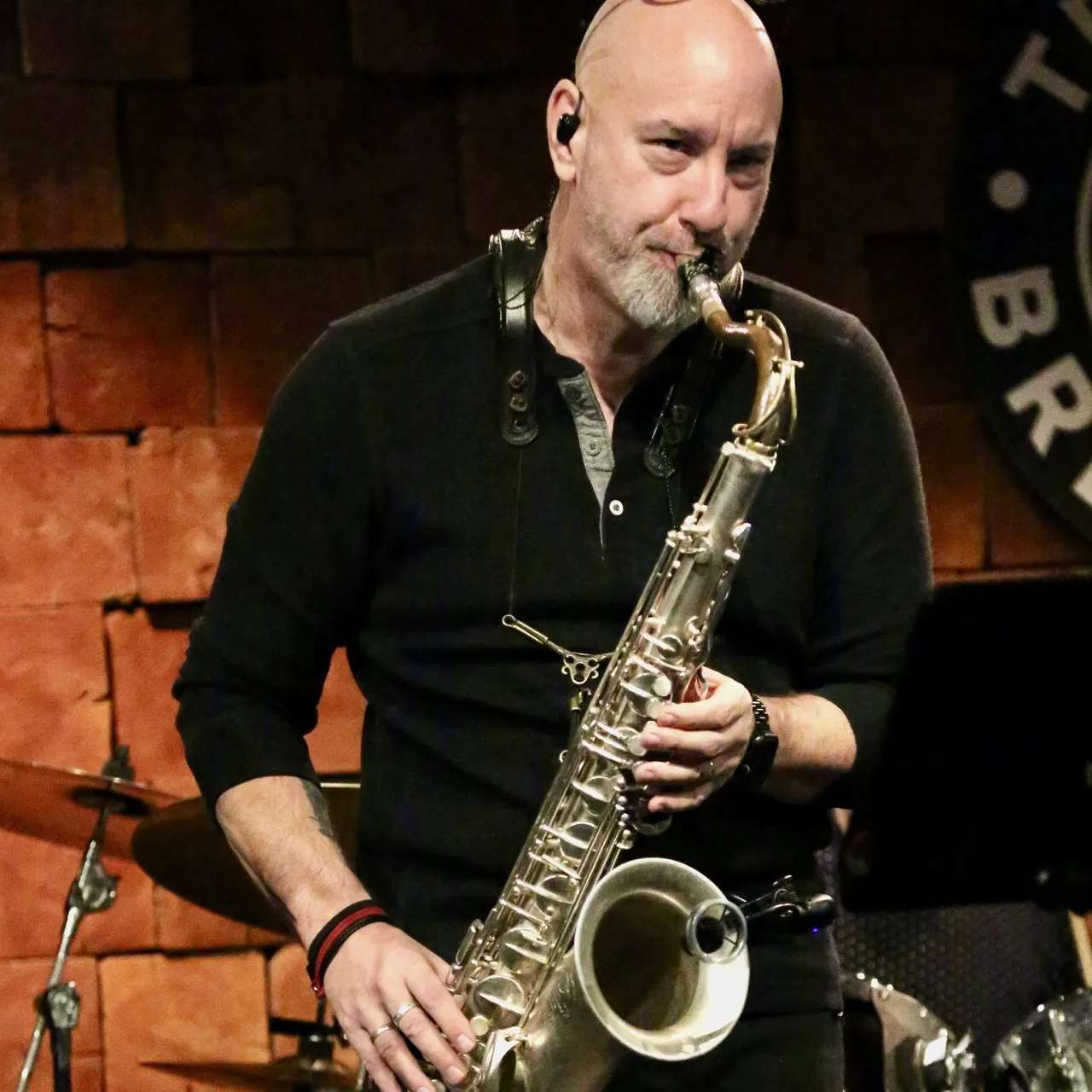
I’m still practicing. Still learning. Still trying to write a better arrangement and record a better session. I still don’t know exactly where the road ends, and I’m perfectly comfortable with that.
The work was always the point. And tomorrow, if I’m lucky, there’ll be another chance to make the music just a little bit better.